5 Foods I Personally Limit As A Gastroenterologist And What They Teach Us About Gut Health
Patients often ask me if there are foods I personally avoid.
The answer is yes.
But my reasoning may not be what you think.
As a gastroenterologist, I do not view food solely through the lens of calories, fat, carbohydrates, or protein. I am interested in what happens after food enters the digestive tract.
- Does it create excess gas?
- Does it trigger reflux?
- Does it cause urgency or diarrhea?
- Does it contribute to bloating?
- Does it leave you feeling energized or uncomfortable?
The foods I tend to limit all have one thing in common. They help illustrate how certain ingredients can interact with digestion, the microbiome, and gastrointestinal function.
1. Sugar Alcohols: The Hidden Cause Of Bloating For Many People

Sugar alcohols are commonly found in sugar-free gum, sugar-free candy, protein bars, and many “low-carb” products.
Examples include sorbitol, maltitol, xylitol, erythritol, and mannitol.
Unlike regular sugar, sugar alcohols are not completely absorbed in the small intestine. When they reach the colon, gut microbes can ferment them. They may also draw water into the intestine through an osmotic effect. Together, these mechanisms can contribute to gas, bloating, abdominal discomfort, and diarrhea in susceptible individuals.1 2
This is one reason I personally limit:
- Sugar-free gum
- Sugar-free candy
- Many packaged protein bars
People are often surprised to discover that the “healthy” swap is sometimes the reason they are experiencing digestive symptoms.
2. Ultra-Processed Foods And The Gut
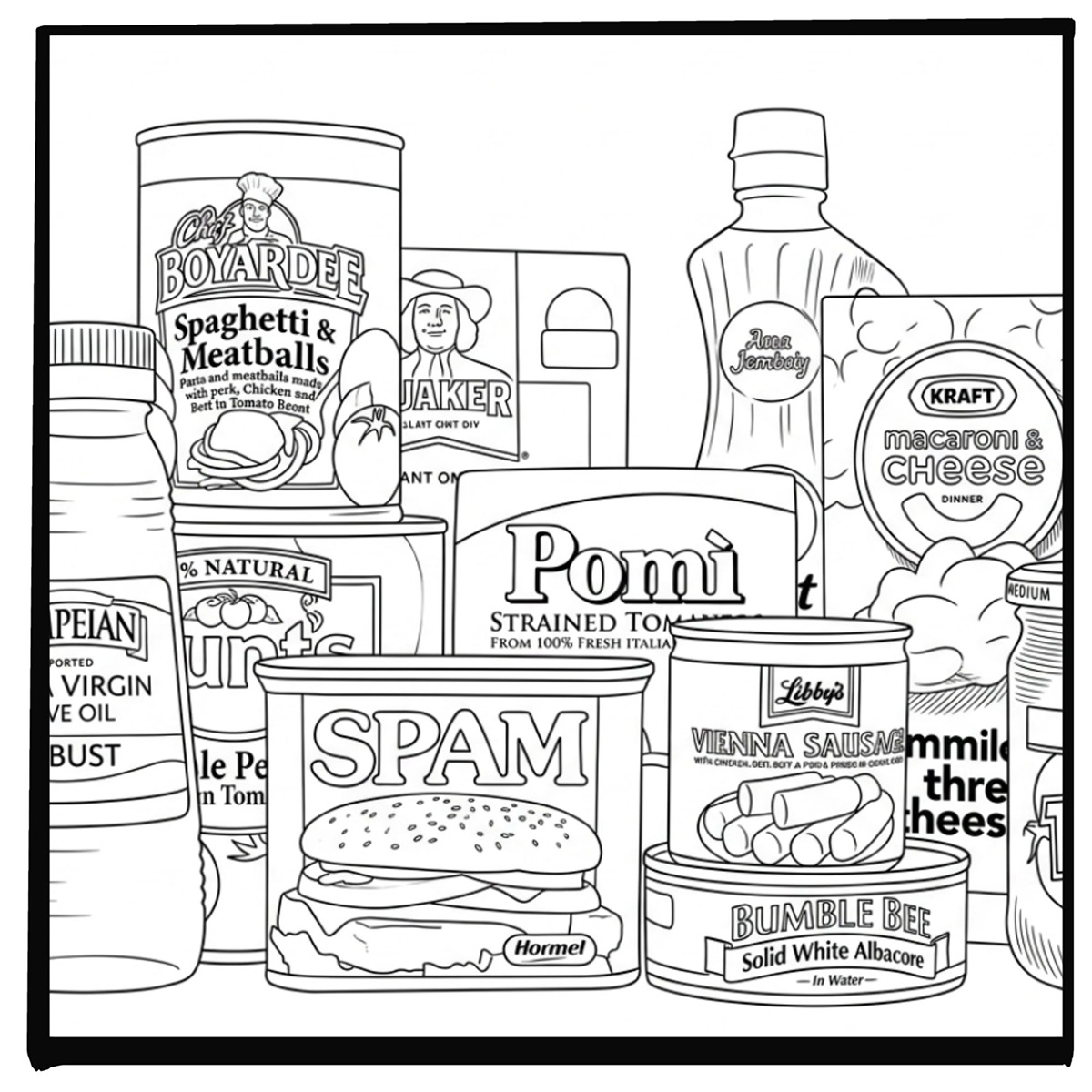
Many modern foods contain long ingredient lists filled with additives, emulsifiers, preservatives, artificial flavors, sweeteners, and refined oils.
Researchers have become increasingly interested in how ultra-processed foods may influence the gut microbiome and intestinal barrier function. Several studies suggest that diets high in ultra-processed foods may be associated with alterations in microbial diversity and markers of intestinal inflammation.3 4
Examples I try to limit include:
- Frozen processed meals
- Pre-popped popcorn with added flavor coatings
- Highly processed snack foods
The concern is rarely one ingredient. It is the cumulative effect of eating these foods day after day.
3. Beverages Can Affect Digestion Too
Many people focus entirely on food while overlooking what they drink.
Certain beverages combine several factors that may contribute to digestive symptoms, including carbonation, caffeine, artificial sweeteners, and high sugar content.
Energy drinks are a good example. Depending on the product, they may contain high levels of caffeine, artificial sweeteners, carbonation, and other stimulants. These ingredients can contribute to reflux symptoms, stomach irritation, urgency, or loose stools in some individuals.5
Similarly, sweetened coffee drinks often contain significant amounts of sugar, syrups, creamers, and additives. While coffee itself is not necessarily harmful, a beverage that resembles dessert may create problems for people who are sensitive to sugar, dairy, or reflux triggers.
This is why I personally limit:
- Energy drinks
- Sweetened coffee drinks
- Diet sodas
4. Processed Meats Are About More Than Calories
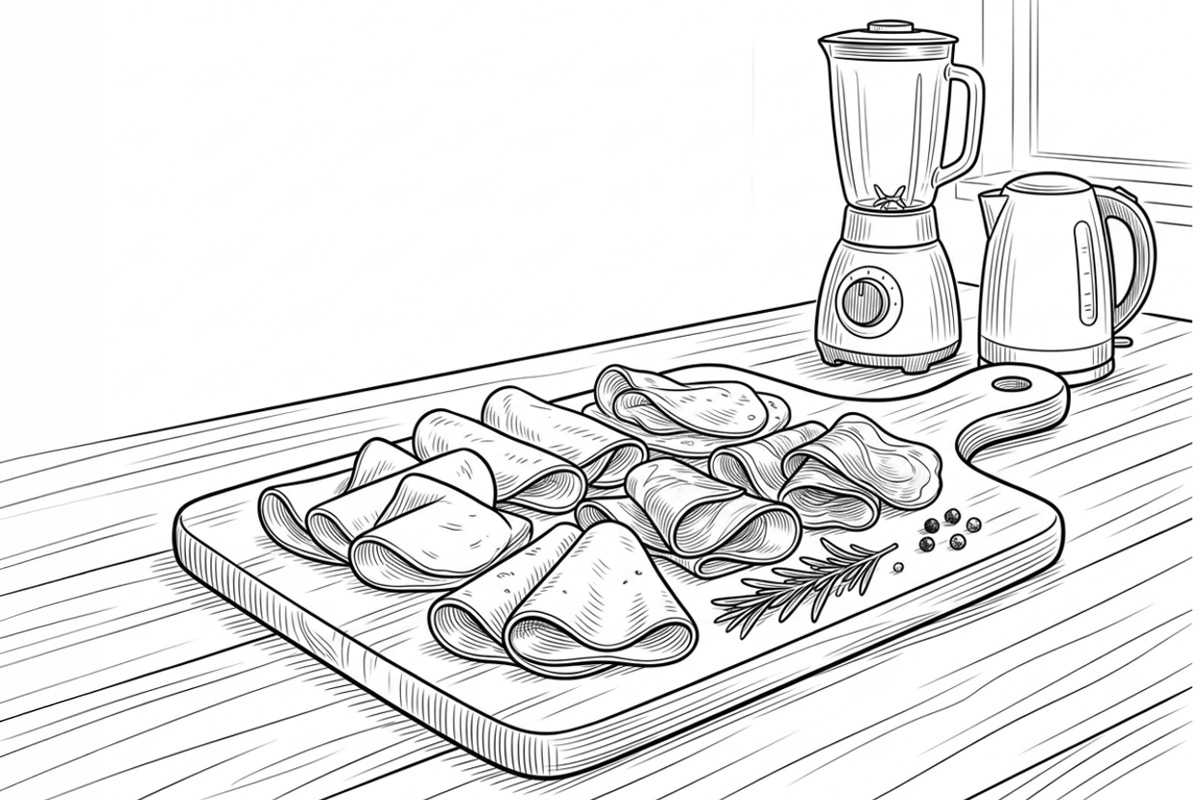
Processed meats, such as deli meats, are often convenient but may contain preservatives, sodium, nitrates, and nitrites.
Research has associated higher consumption of processed meats with an increased risk of several chronic diseases.6 While the relationship between processed meats and digestive symptoms is complex, I generally encourage patients to think about food quality, not just macronutrients.
5. Why I Pay Attention To Seed Oils
Seed oils have become one of the most debated topics in nutrition.
My concern is not that consuming a small amount of sunflower or canola oil will suddenly damage your gut.
Rather, these oils are commonly found in ultra-processed foods, fried foods, packaged snacks, sauces, and frozen meals. When someone is consuming large amounts of these foods, the bigger issue is often the overall dietary pattern.
In clinical practice, I encourage people to focus less on a single ingredient and more on the quality of their overall diet.
The Bigger Lesson
Notice that this is not really a list of “bad foods.”
It is a list of foods that help explain how digestion works.
Many digestive symptoms occur because of one of a few common mechanisms:
- Poor absorption
- Excess fermentation
- Osmotic effects that pull water into the intestine
- Irritation of the digestive tract
- Dietary patterns dominated by ultra-processed foods
Understanding these mechanisms is often more helpful than memorizing a list of foods to avoid.
Your gut is constantly giving you information.
The goal is not to fear food.
The goal is to learn how your body responds and make informed decisions based on that feedback.
References
- Mäkinen KK. Gastrointestinal Disturbances Associated with the Consumption of Sugar Alcohols with Special Consideration of Xylitol. Int J Dent. 2016;2016:5967907. → Wiley · PMC free full text
- Lenhart A, Chey WD. A Systematic Review of the Effects of Polyols on Gastrointestinal Health and Irritable Bowel Syndrome. Adv Nutr. 2017;8(4):587–596. → PubMed · ScienceDirect
- Rondinella D, et al. The Detrimental Impact of Ultra-Processed Foods on the Human Gut Microbiome and Gut Barrier. Nutrients. 2025;17(5):859. → MDPI · PMC
- Bevilacqua A, et al. Ultra-Processed Food and Gut Microbiota: Do Additives Affect Eubiosis? A Narrative Review. Nutrients. 2025;17(1):2 (published online Dec 24, 2024). → MDPI · PubMed
- Costantino A, et al. The Dark Side of Energy Drinks: A Comprehensive Review of Their Impact on the Human Body. Nutrients. 2023;15(18):3922. → PubMed · PMC
- IARC. Red Meat and Processed Meat. IARC Monographs Vol. 114. WHO, 2018. → IARC Monographs page · Q&A PDF